Agricultural emergency and transformation of rural space in Chaco (2006–2025): a territorial approach from multiscalar spatial analysis
Abstract
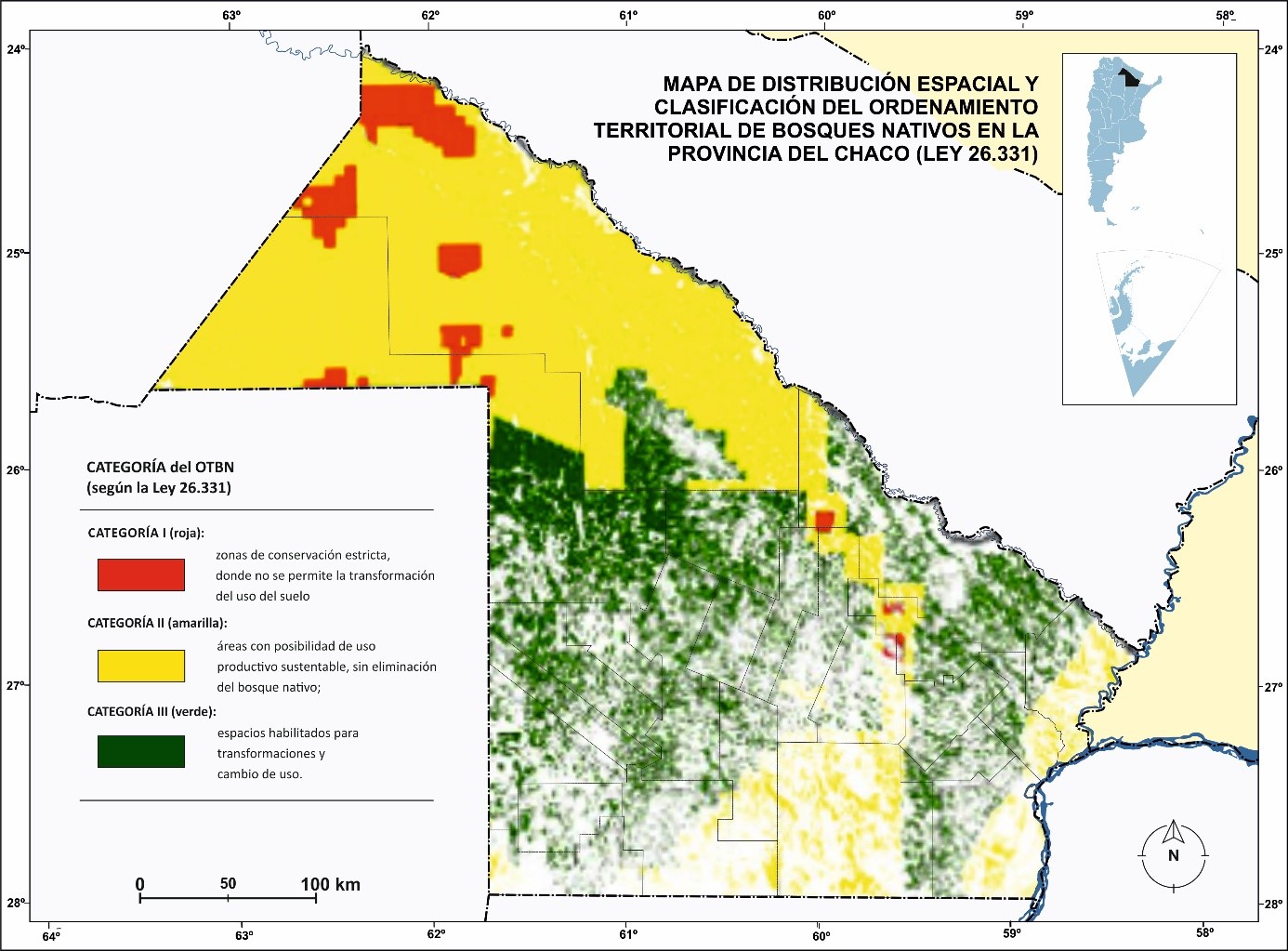
Between 2006 and 2025, the province of Chaco experienced repeated declarations of agricultural emergency in response to extreme climatic events. This study proposes a multiscalar territorial analysis of this recurrence, interpreting emergency not as an isolated phenomenon but as a structural expression of an exclusionary production model, environmentally unsustainable and sustained by predominantly reactive state management. Using a qualitative-interpretive methodology, analytical tools such as the fishbone diagram, SWOT matrix, and EMCE matrix were applied to identify structural causes, institutional tensions, and spatial inequalities. The results show a high concentration of emergencies in the southwestern and central regions of Chaco, where agricultural expansion, monoculture, and loss of vegetation cover have intensified socio-environmental vulnerability. State assistance, largely limited to remedial responses, has reinforced patterns of inequality and dependency. The study concludes that it is necessary to move beyond the paradigm of emergency as a norm and to promote integrated territorial policies with participatory approaches, environmental justice, and community resilience, in order to transition toward a more equitable and sustainable model of rural development.
Downloads
Downloads
Published
Issue
Section
License

This work is licensed under a Creative Commons Attribution-NonCommercial-ShareAlike 4.0 International License.